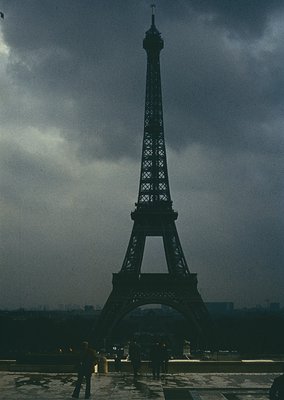
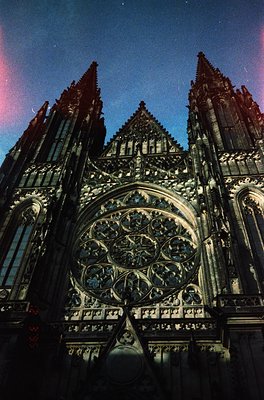
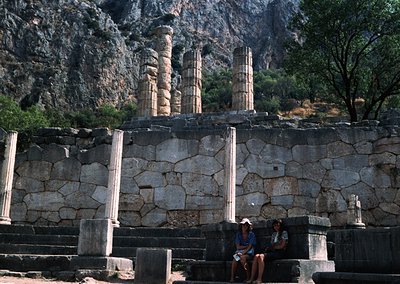
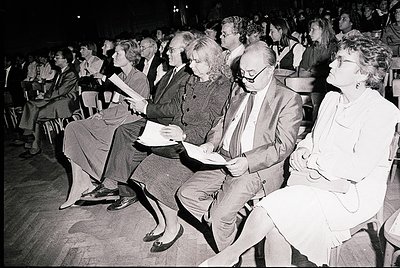
I buy old film rolls at flea markets across Europe. Most of them sat in someone's drawer for decades. I scan them and put them here. I don't know who took these photos or who's in them. Maybe you do.
Famous photos survive. War photography gets archived. Studio portraits get framed. But the shot of your dad grilling in 1974? The blurry one from a road trip where nobody remembers the town? That stuff gets thrown out. It ends up in boxes at flea markets, sold by the kilo. These are the photos that nobody thought were worth keeping — and they're the most honest record of how people actually lived.
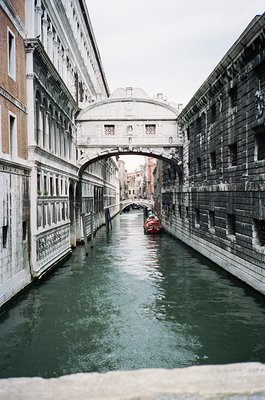
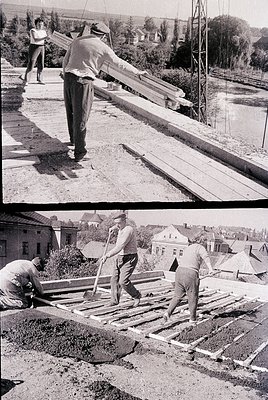
Every roll has built-in context. The film stock tells you the decade. The grain tells you the conditions. Kodak Gold, Fuji Superia, ORWO from East Germany — each one puts you in a time and place before you even look at the image. A phone photo from 2015 and 2023 looks the same. A roll of Agfa from 1968 could only be from 1968.
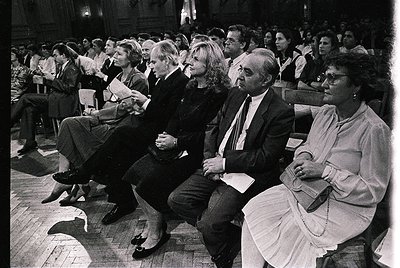
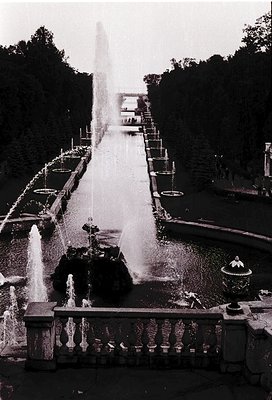
A roll gives you 24 or 36 shots. That's it. So people chose what to photograph. You can read an entire vacation through what someone decided was worth a frame. Three photos of a cathedral, then suddenly one of a stranger's dog. The gaps between frames say as much as the frames themselves. It's an edit someone made decades ago, and you're seeing the result.
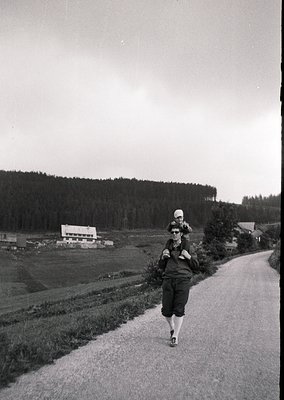
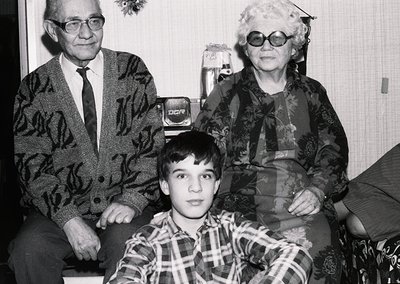
This has happened. Someone scrolls through, sees their grandmother at 25, in a photo they didn't know existed. Rolls come from all over — Czech Republic, Germany, Austria, Belgium, the US, South America. The people in them had families. Some of those families are still around. Putting these online is the only chance of a photo finding its way back.