
Czechoslovakia · Prague, Podolí and Braník · probably 1963–1967 · Case 101
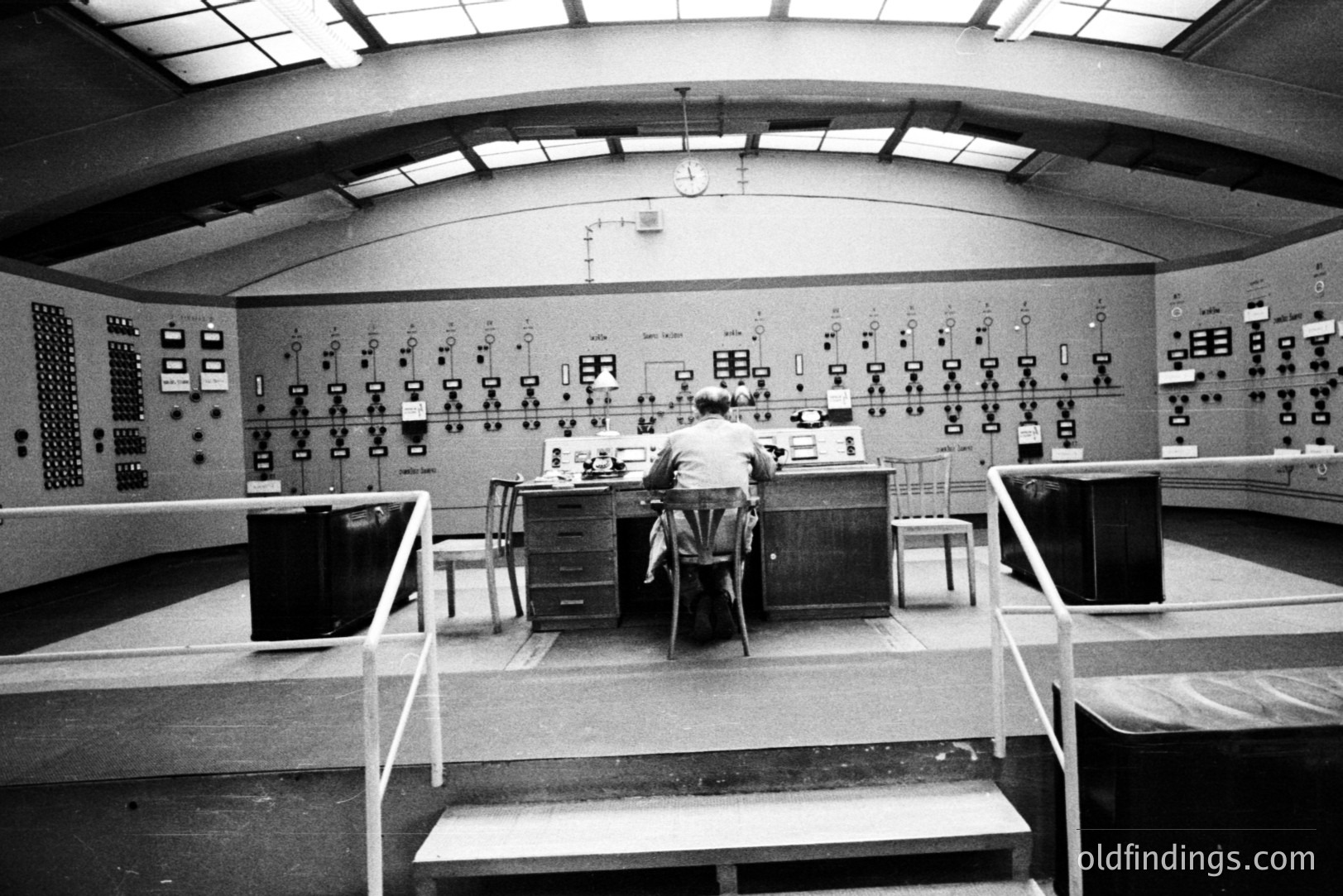
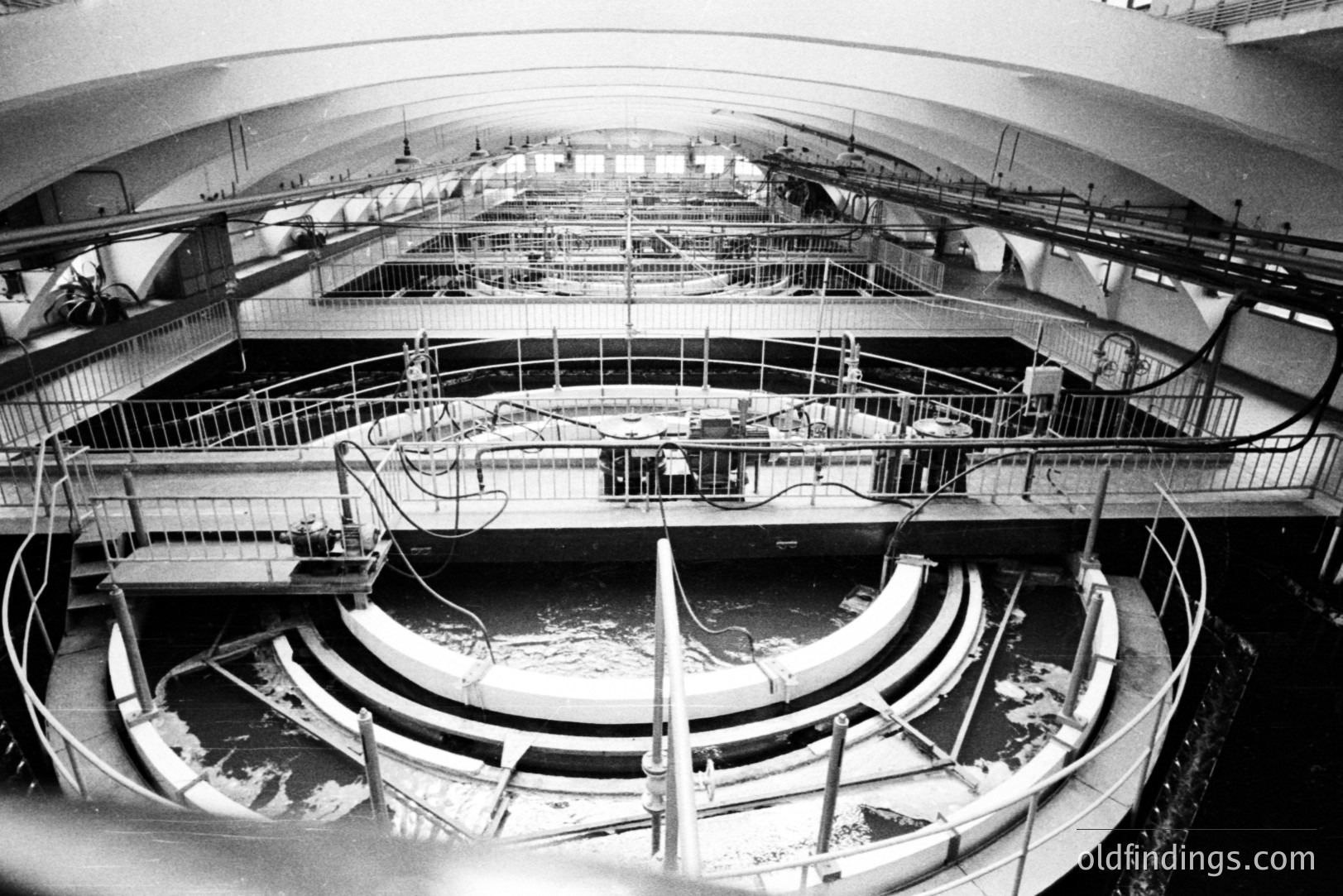
A quiet hall: hundreds of lamps and switches on the wall, and in front of them, seen from behind, a single man at a desk. He is a dispatcher at the Podolí Waterworks in Prague. In the neighbouring frames, water moves through round basins under concrete vaults. Judging by the setting, the photos were taken in the 1960s, possibly the early 1970s.
The waterworks museum is currently closed while its exhibition is renewed (details).
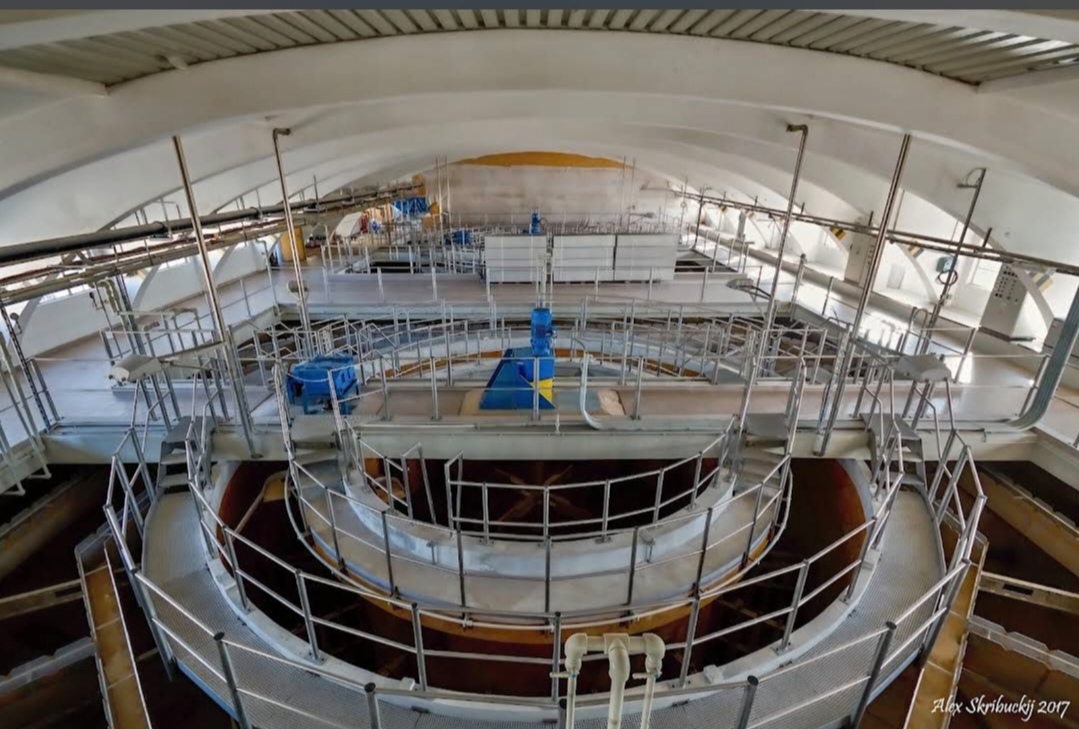
The Podolí Waterworks was built in 1925–1929 to a design by Antonín Engel: monumental neoclassicism outside, concrete vaults inside. It was the largest reinforced-concrete building in Czechoslovakia at the time. A second hall was added in 1956–1965 and completed after the architect's death. The site had earlier held two steam-driven waterworks from the 1880s, the Vinohrady and the Prague waterworks, both long since demolished.
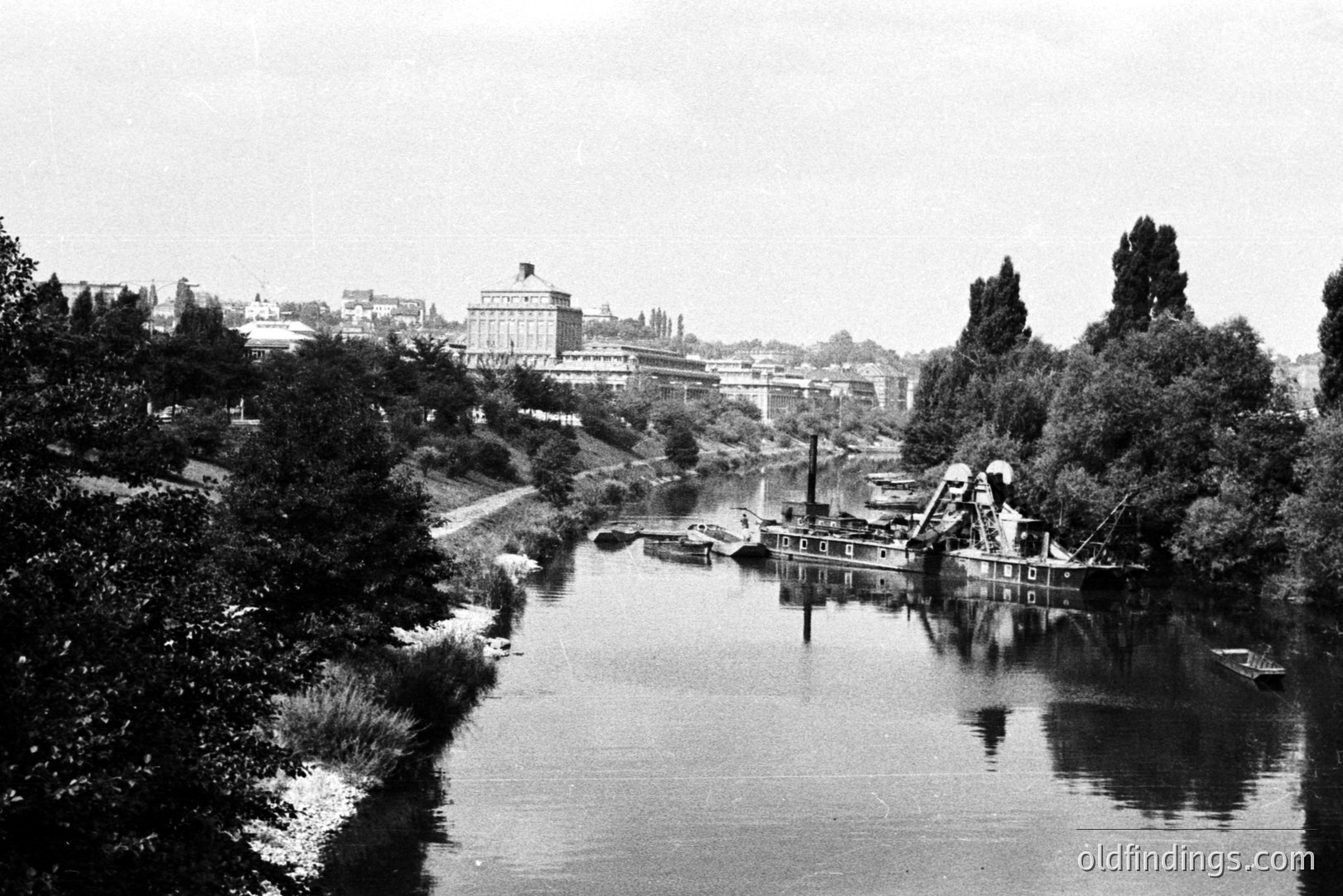
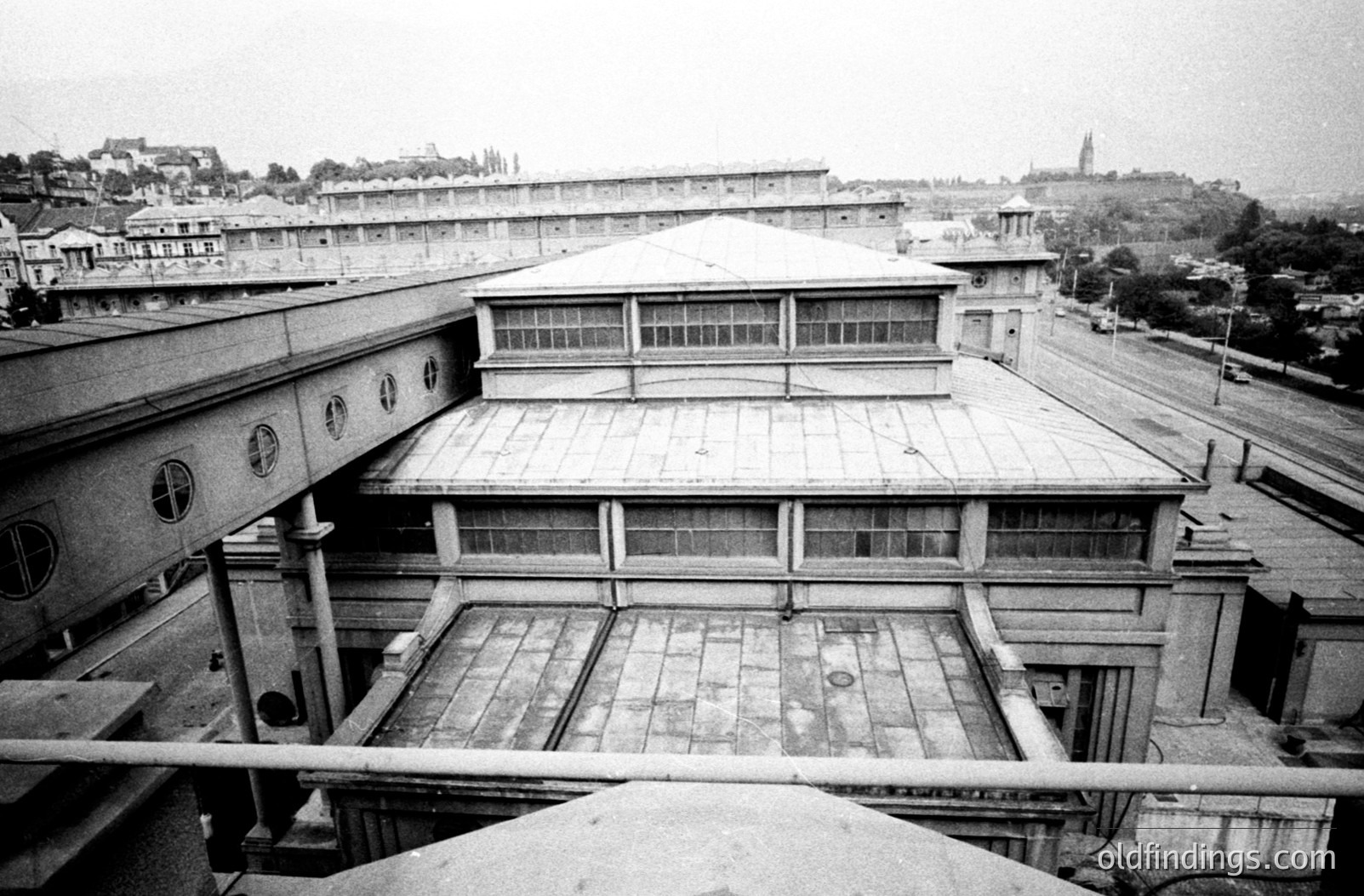
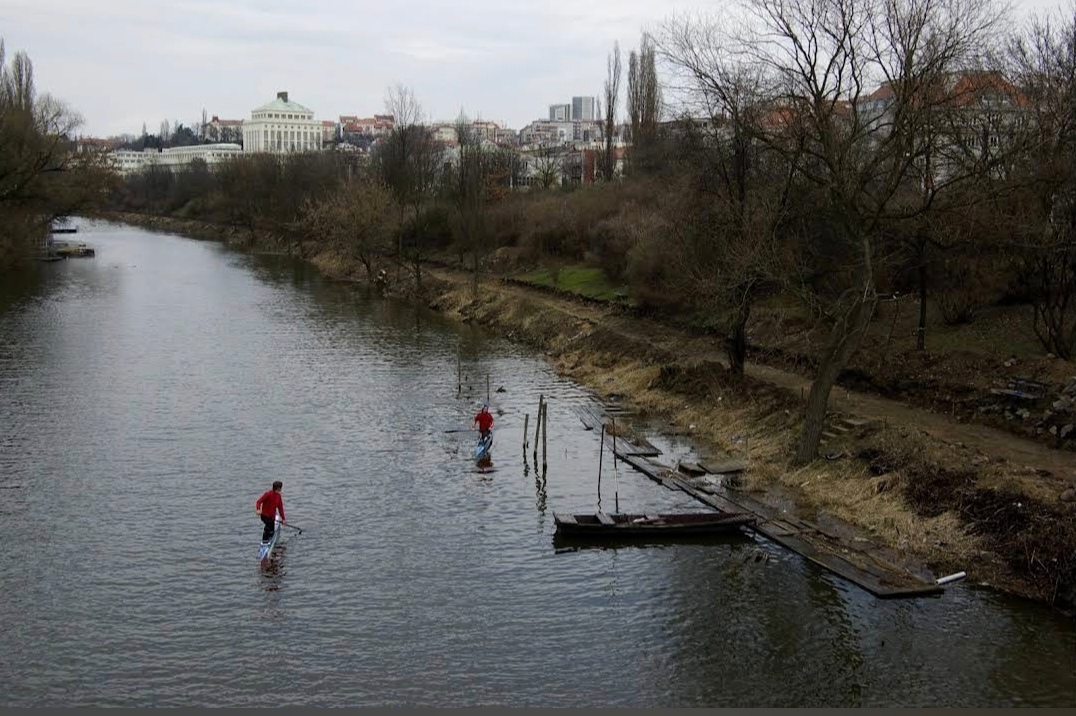
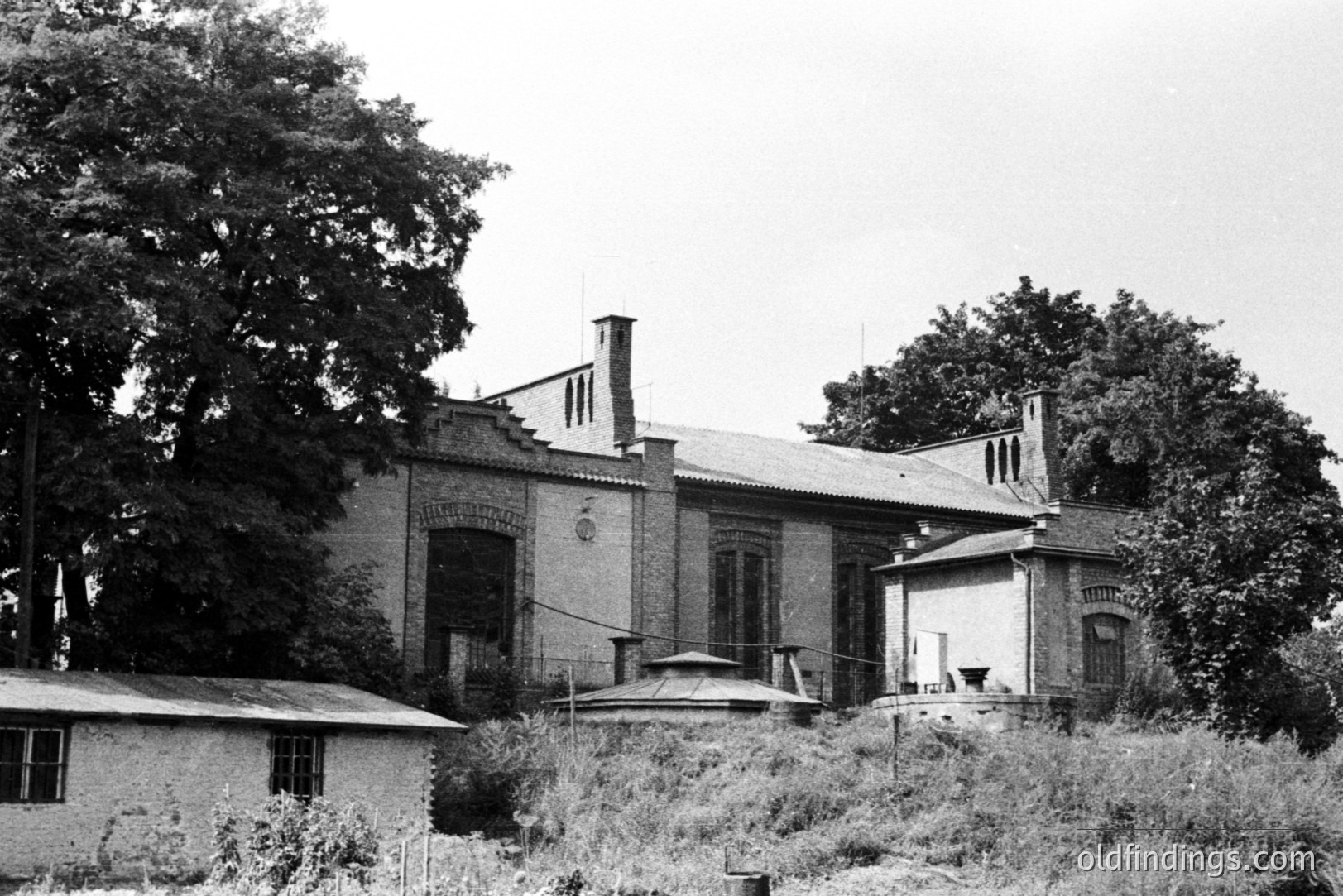
The second waterworks: Vršovice in Braník
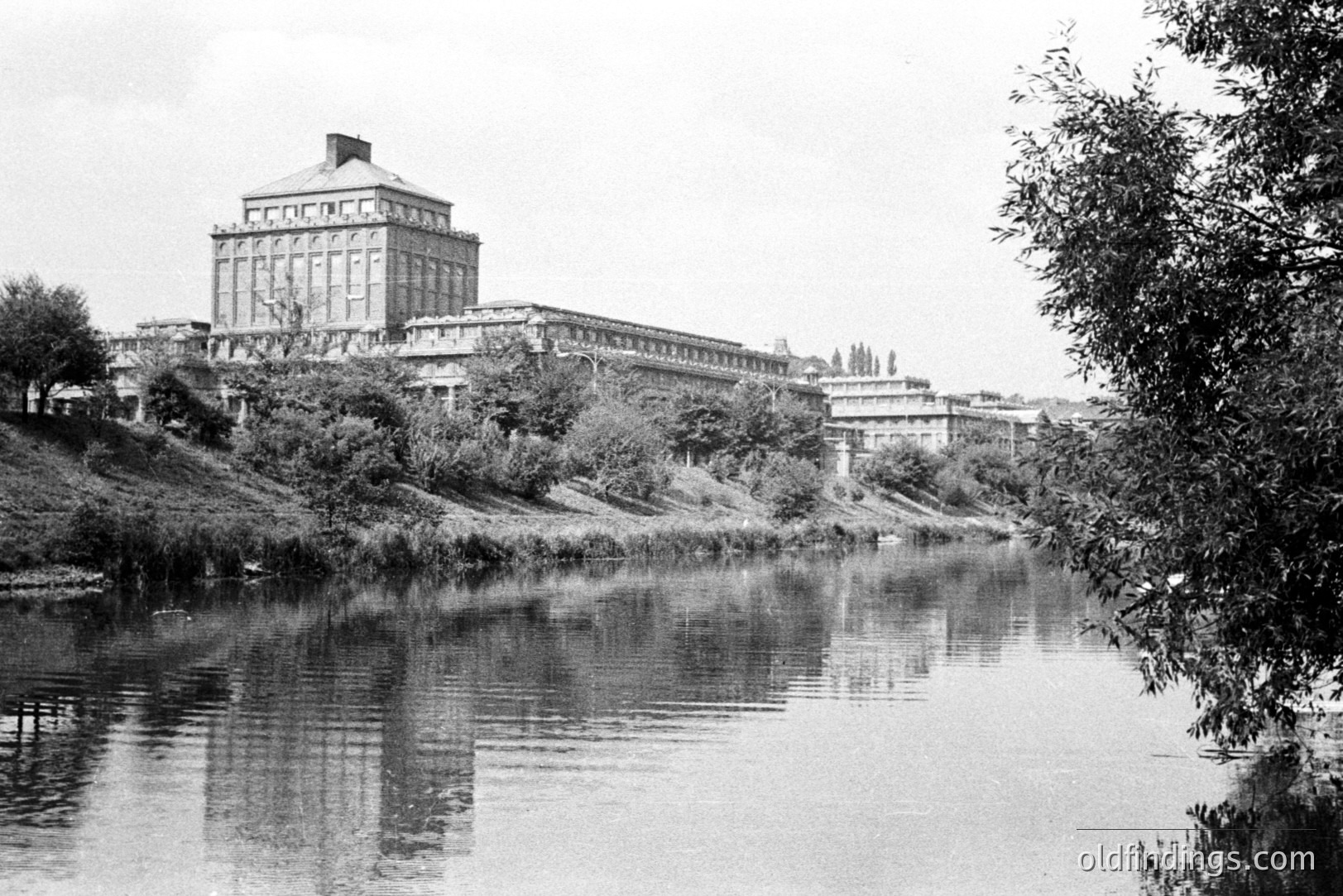
The brick buildings with stepped gables in two of the frames most likely belong to the neighbouring Vršovice Waterworks in Braník. It was built in 1905–1907 to a design by Jan Kotěra: red brick with green glaze, late Secession style. The waterworks operated until roughly the 1960s–70s, then served as a civil-defence reserve and later as a recreation site for waterworks employees. In the 1990s the equipment was removed and the roofs over the engine hall collapsed. Restoration began in 2009–2010 and was finished in June 2011.
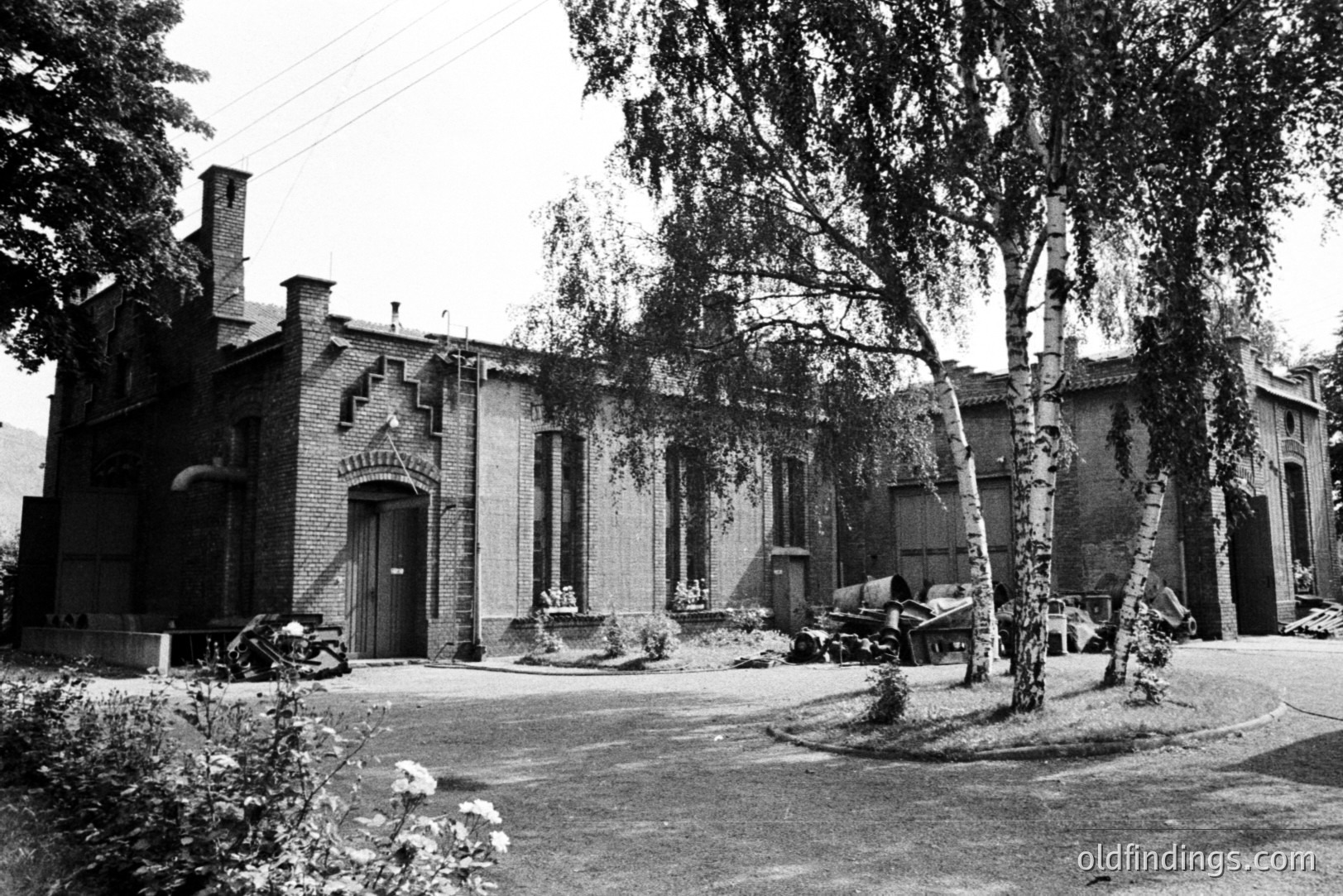
Today the buildings are restored: red brick, green glaze above the windows, a stepped roofline. The complex is now the Areál Vltavanů park, and its website tells the history of the waterworks.
The site of the former waterworks lies by the railway bridge on Vltavanů street in Braník. The station pumped water uphill through old Krč to a reservoir in Michle, from where it flowed on to Vršovice, hence the name. According to the park's website, the water system operated until the mid-1980s, and in 2002 the complex was declared a cultural monument. Reconstruction began in 2009 and the visitor area opened in 2011. Since 2015 the park has been run by DDM Praha 4 – Hobby centrum 4. It now has playgrounds, the Vodníček preschool centre and a café with a large summer terrace. Information boards between the main building and the playground tell the history of the place, with photos from the period.
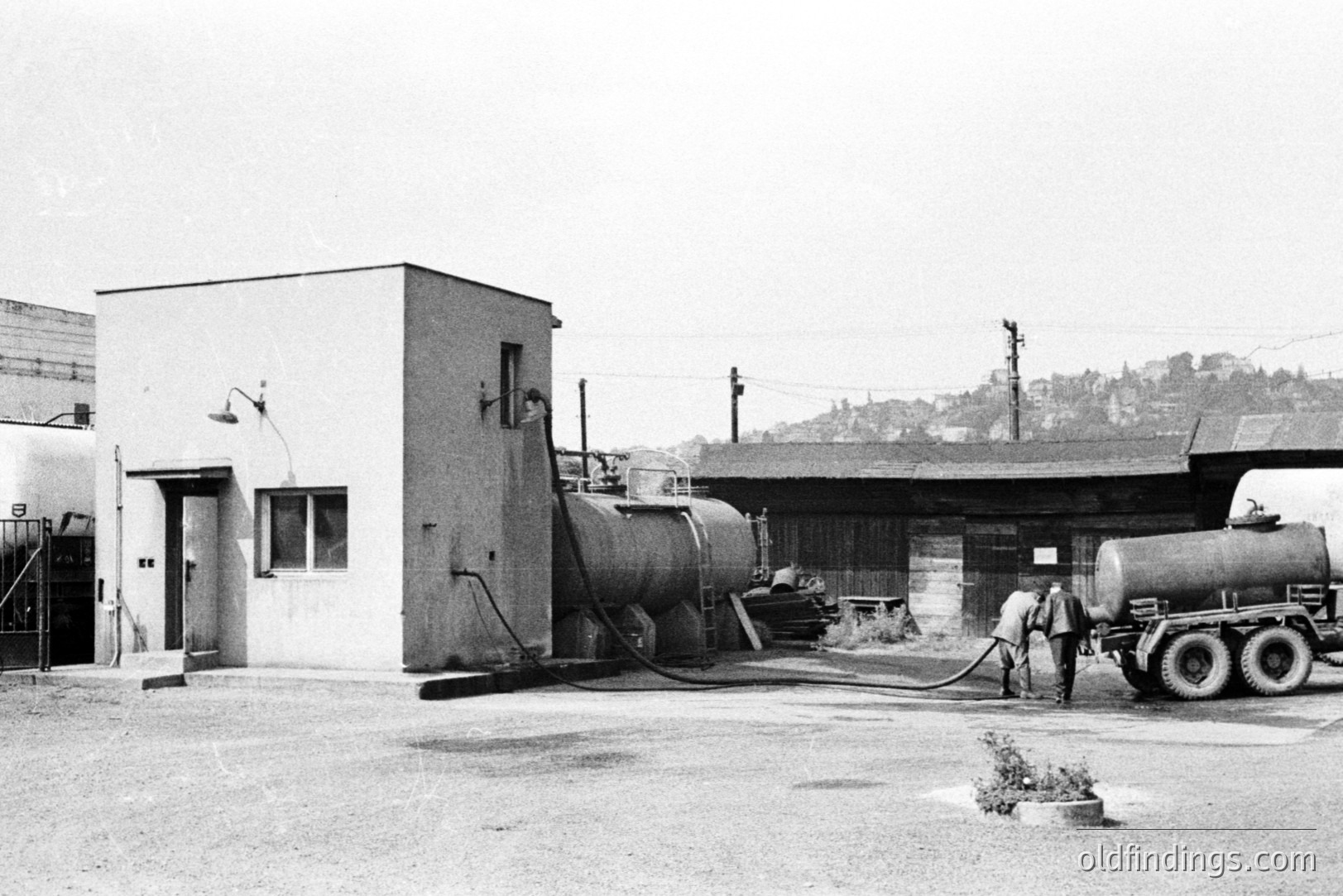
Today the two waterworks have different fates. After the 2002 floods, the Podolí Waterworks remained a reserve source of water for Prague, and a museum of water supply opened in its old hall. The Vršovice Waterworks was restored in 2009–2011, its buildings survived, and today it is a children's park, a rope park and a café.
The waterworks stayed where they were, but now they live a different life.
Only some of the frames are shown here. You can see all the other photos from this roll in Case 101.
Architectural archives
This post has two waterworks and two architects: the Podolí Waterworks was designed by Antonín Engel, the Vršovice Waterworks by Jan Kotěra. Professional analyses of the designs, the history of construction and reconstruction, and historical photos are available on the Czech architecture portal Archiweb and in other sources.
Podolí Waterworks, Antonín Engel
- Archiweb: Podolí Waterworks: Engel's design, water treatment technology, reconstructions, historical photos from 1926 and 1930
- Prague.eu: Prague Waterworks Museum: history of the waterworks and the museum
- Kudy z nudy: Podolí Waterworks and museum: the museum is currently closed for exhibition renewal
Vršovice Waterworks, Jan Kotěra
- Archiweb: Jan Kotěra: biography of the architect and list of works
- Archiweb: the Vršovice Waterworks in Braník after reconstruction: a 2011 ČTK report on the restoration of Kotěra's buildings
- Kudy z nudy: Kotěra's water tower in Michle: the second part of the Vršovice system, a tower from 1906–1907
- Archiweb: the Vršovice Waterworks in Michle, Open House Praha 2021: on the complex and Kotěra's 150th anniversary
- Areál Vltavanů: history of the Vršovice Waterworks
- Areál Vltavanů: the park's home page