Cases

The Scan Was Backwards

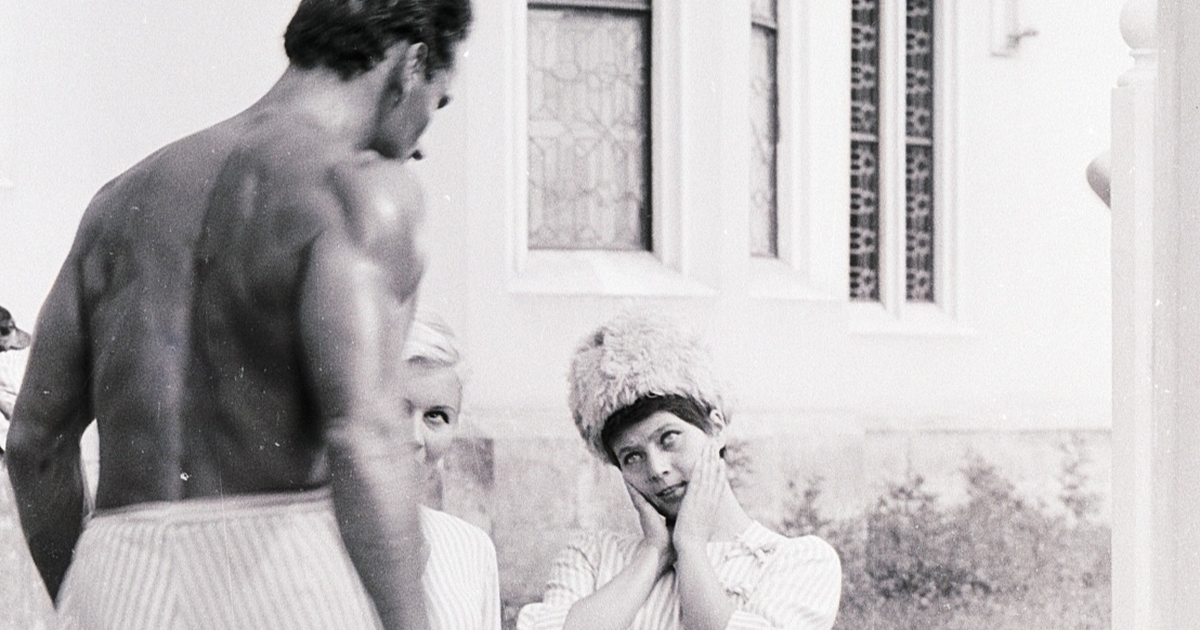
Twenty-five frames from a Prague flea market, running across the end of one roll and the start of the next: a film crew at work, striped costumes, a stone lion, nothing naming a country. Five months of reverse image search returned nothing and a language model returned eleven confident paragraphs of wrong castle and wrong cast. @az put it in the 1960s; artimage found the actor; Strikeout found the film by scrubbing a filmography frame by frame; Zadorno found the castle, and then found the real problem — we had scanned the whole set emulsion-side up, and every frame was mirrored. Juraj Herz shooting Kulhavý ďábel at Hrádek u Nechanic, summer 1967.
Identification TechniquesRoll ContextScanningJuraj HerzKulhavý ďábelHrádek u Nechanic

A Sculpture Can Be Loaded Onto a Truck

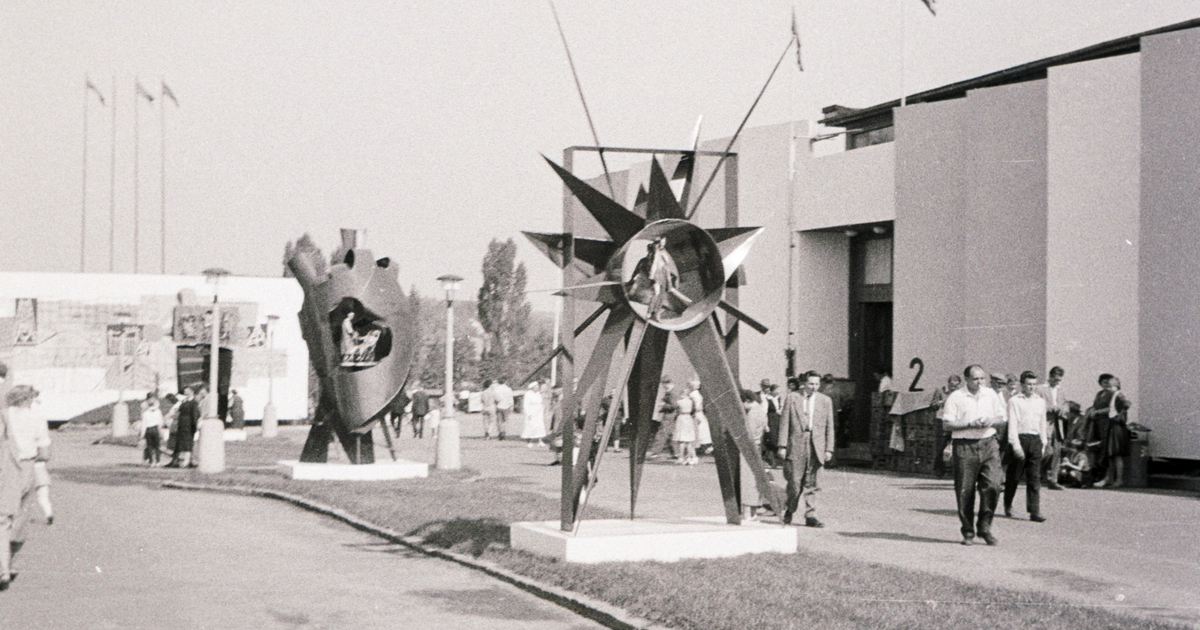
An unmarked frame from a Czech flea-market roll: two abstract figures on a paved forecourt, no signage, nothing naming a country. We filed it as Soviet. @az matched the sculptures to the Czechoslovak pavilion at Expo 58 in Brussels, which pointed at Letná park in Prague, where the pavilion's restaurant was rebuilt — and that was wrong. The answer came from the next frame on the same roll, an expired auction lot, and a wall of striped cladding nobody could have loaded onto a truck. Plzeň exhibition grounds, autumn 1959.

Identification TechniquesRoll ContextExpo 58Bruselský stylPlzeň

The Roll That Wasn't Photographs

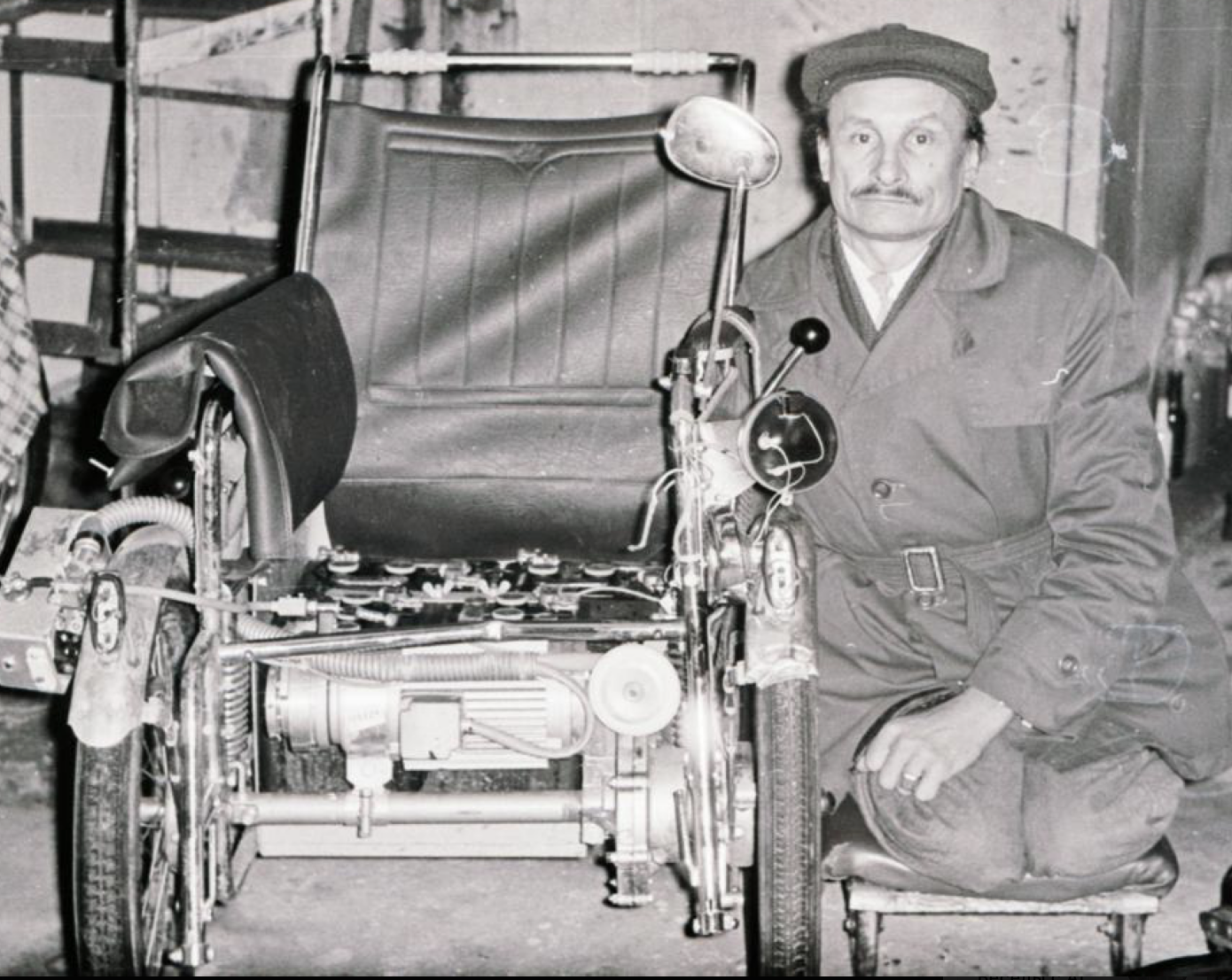
A roll of negatives bought privately from Ukraine turned out to hold a Kyiv case file. Borys Shenger was born in 1941; his father, a Red Army soldier, went missing in action when he was two. Disabled, a writer, he spent years petitioning Soviet ministries for a wheelchair — and was offered a used car handed back by disabled war veterans instead. Then a minibus hit the chair he did have, and the traffic police blamed him. Twenty-six years later a newspaper found him crossing Kyiv by hand.

Document RollsIdentification TechniquesMeyraKyivBorys Shenger

How a Hull Name Unlocked a Cold War Cargo Ship

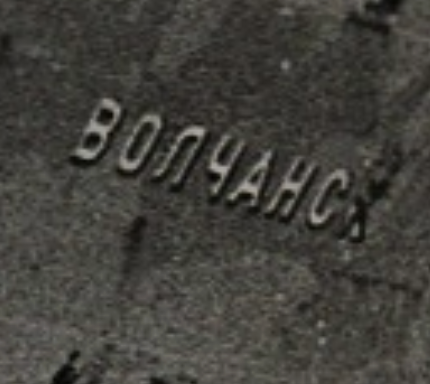
A name painted on a rusted hull led us to a Cold War cargo ship built in East Germany, sold to North Korea, and scrapped in Bangladesh. We know the vessel - now we need to find the port.

Soviet Merchant FleetShip IdentificationCase SpotlightCold War